

Science
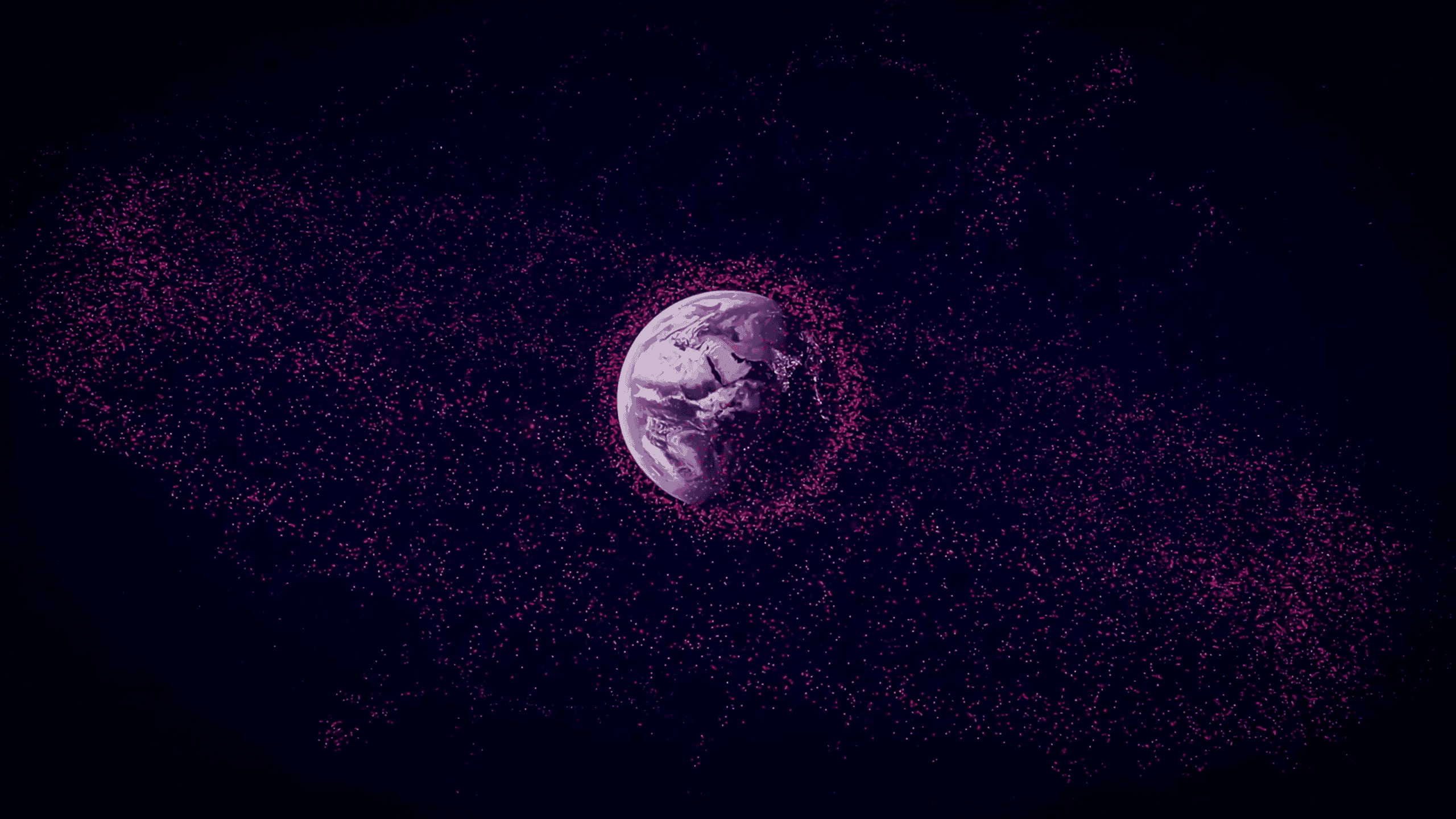
ESA awards contract to OKAPI:Orbits and TU Braunschweig for next generation space debris model.
Christine Vlachou · 3 min read · 11 February 2025
- ESA awards contract for next-generation space debris model: OKAPI:Orbits, in collaboration with Technische Universität Braunschweig, will develop the next iteration of ESA's MASTER, the Agency's reference model for the space debris environment.
- Advancing ESA's zero debris approach: This initiative supports ESA's goal of no net increase in space debris from its missions by 2030, a key component of ensuring long-term space sustainability.
- Enhanced modelling for safer and more sustainable missions: The updated MASTER model will incorporate new data and advanced capabilities to improve collision risk assessments and support safer, more sustainable space operations.
Braunschweig, Darmstadt, Germany, 11 February 2025
The European Space Agency (ESA) has awarded a contract to OKAPI:Orbits, in collaboration with the Institute of Space Systems from Technische Universität Braunschweig (TU Braunschweig), to develop the next-generation of ESA's Space Objects Population Model (MASTER). This model serves as ESA's reference for the space debris environment.
This initiative is crucial for advancing ESA's Zero Debris approach, which aims to achieve no net increase in space debris from its missions by 2030. The MASTER model is essential in providing satellite operators and manufacturers with the necessary data to plan missions safely and sustainably, limiting the collision probability of objects larger than 1 cm to below 1 in 1000 during their orbital lifetime.
ESA, OKAPI:Orbits, and TU Braunschweig will address several key challenges in space debris modelling. This includes integrating diverse material sizes and shapes into debris models to accurately reflect changes in spacecraft material composition since the last release of the breakup model. The activity will also focus on revising and updating space debris environment models to incorporate both new and historical data, leading to improved design and operational guidelines for future missions.
A significant focus will be on enhancing the model's computational performance to effectively handle the increasing complexity of modern space traffic. Finally, the project will evaluate the impacts of the upgraded model on both the full reference population of space objects and specific satellite missions to ensure compliance with evolving space traffic and sustainability standards.
TU Braunschweig, having worked on the topic of space debris since the 1970s and on modelling the space debris environment since the 1980s, brings decades of expertise to the partnership. This collaboration aims to revolutionize space debris modelling and enable safer and more sustainable operations for future missions.
This project also provides OKAPI:Orbits with a significant opportunity to enhance its capabilities, integrate new insights, and expand its solutions globally for both institutional and commercial stakeholders. It represents a significant step forward in the collective pursuit of innovation and sustainability in space.
About the partners
ESA
The European Space Agency provides Europe's gateway to space. ESA is an intergovernmental organisation, created in 1975, with the mission to shape the development of Europe's space capability and ensure that investment in space delivers benefits to the citizens of Europe and the world. esa.int
OKAPI:Orbits
OKAPI:Orbits provides comprehensive Space Traffic Management (STM) solutions designed to ensure the safety and optimization of space missions. Its AI-driven platforms deliver advanced Space Situational Awareness (SSA) and STM capabilities, maximizing in-orbit safety, promoting space sustainability, and optimizing satellite operations.
TU Braunschweig
TU Braunschweig, Germany, is located in the heart of Europe's most research-intensive region. The TU space research cluster covers space physics, geophysics, and space electronics with a focus on scientific research into the solar system, microgravity research, space debris, and the technology of instrumentation and probes.
Media contacts
For OKAPI:Orbits
Christine Vlachou, christine@okapiorbits.com
For TU Braunschweig
János Krüger, Science Communication Manager, janos.krueger@tu-braunschweig.de
For ESA
Simona Nichiteanu, Media Relations, media@esa.int